Swim England — Learn to Swim
Nationally standardised swimming lessons from baby to Stage 10. Check your local leisure centre for affiliated clubs.
Official info →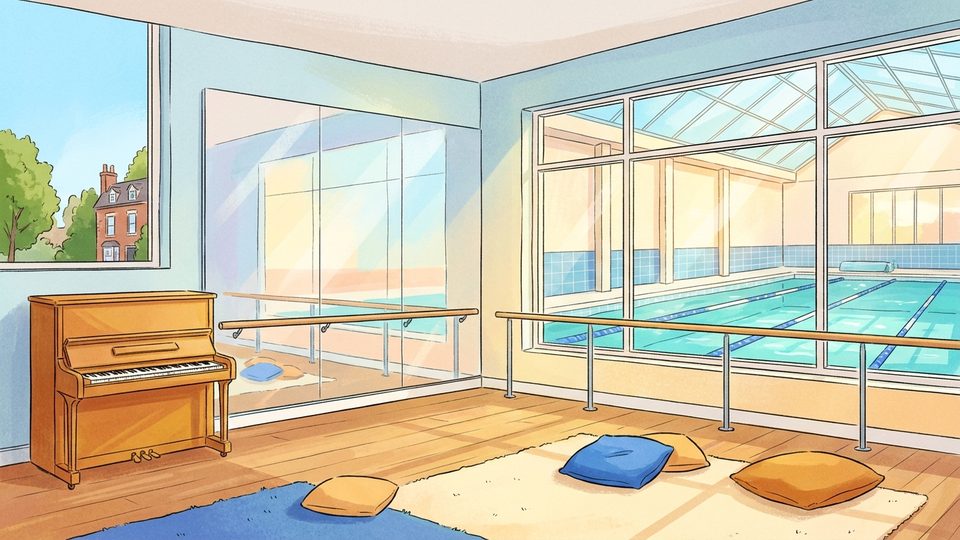
Looking for structured learning outside school? Browse classes in music, dance, swimming, gymnastics, martial arts, languages and more. Most run weekly during term time, with taster sessions available.
Music, movement, sensory play, swimming and messy play classes can help younger children socialise, practise routines and explore safely.
Dance, martial arts, drama, coding, art, languages, gymnastics and swimming are common weekly choices for primary-age children.
Small-group classes can help with speaking, coordination, teamwork, independence and trying new things away from school.
Before comparing providers, decide what you want the class to do: build confidence, learn a skill, support fitness, make friends, prepare for exams or simply add fun to the week. That makes it easier to ignore options that look impressive but do not fit your child.
Often best for babies, toddlers, preschoolers and nervous starters. Check whether siblings can attend and whether you need to book every week.
Useful for independence once children are ready. Ask how staff handle unsettled children, toilet trips, collection passwords and late arrivals.
Better for targeted support, exams, music, swimming confidence or children who find busy sessions difficult, but usually more expensive.
New families know where to go, who is in charge and what children need for the first session.
Younger children get movement and repetition; older children get challenge, feedback and room to progress.
Parents can understand what their child is learning and when to move up, pause or try another level.
Weekly classes are easiest to keep when travel, parking, siblings, homework, dinner and bedtime still work. If a class needs expensive kit or weekend performances, check the full-year cost before your child gets attached.
September and January can be busy because families reset routines, while swimming, exam-prep and performance classes may have waiting lists. Summer can be a good time to try short courses before committing to a full term.
Read our class and club choosing guide. If your child wants less structure, browse activities; for community groups, compare kids' clubs; for academic support, see tutors.
Trusted options from across the UK
Nationally standardised swimming lessons from baby to Stage 10. Check your local leisure centre for affiliated clubs.
Official info →Find BG-affiliated gymnastics clubs for recreational fun gym, artistic gymnastics and trampolining.
Official info →Early-years music sessions combining singing, movement and instruments. Good for babies and toddlers.
Official info →Physical play and movement classes for babies, toddlers and pre-schoolers. Specially designed equipment helps develop balance, coordination and confidence.
Official info →Weekend performing arts schools offering singing, dancing and acting classes across the UK. Award-winning franchise; check the website for your nearest school.
Official info →Start with one of our current priority areas
 London
 Manchester
 Liverpool
 Newcastle
 Sheffield
 Leicester
 Coventry
 Birmingham
 Bristol
 Leeds
Leeds
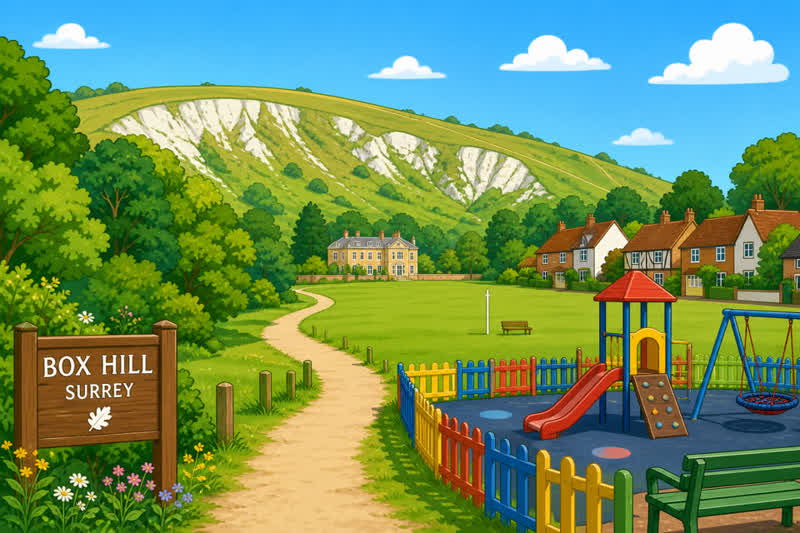 Surrey
 Edinburgh
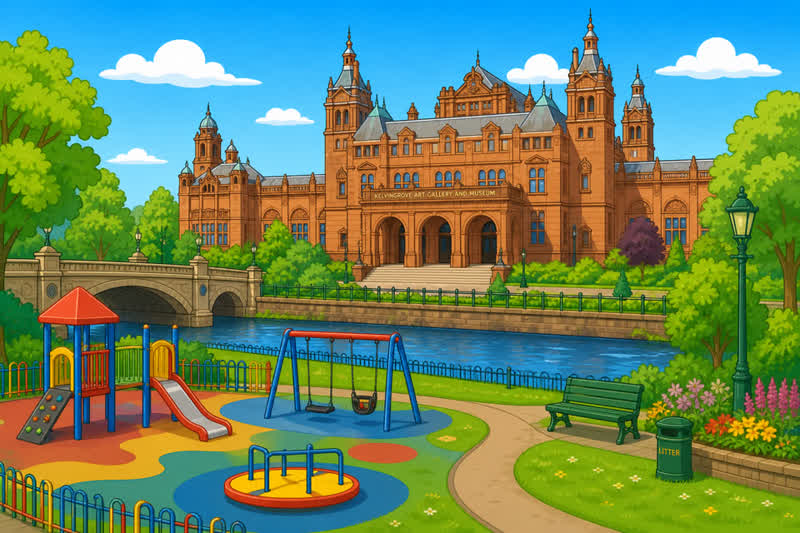 Glasgow
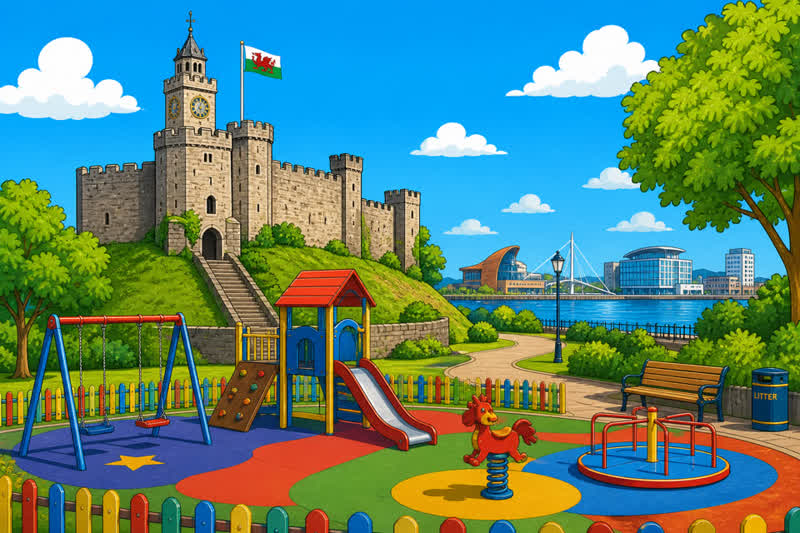 Cardiff
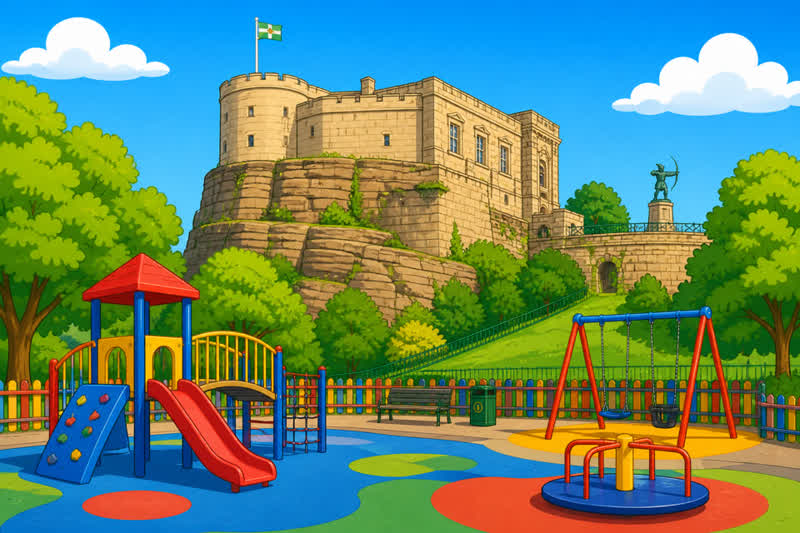 Nottingham
We're building useful parent-facing listings. If you cover this category, send clear details and we'll review them for inclusion.
Submit Your Listing